What Makes a Retaining Wall Last in Sonoma, Napa, and Marin County
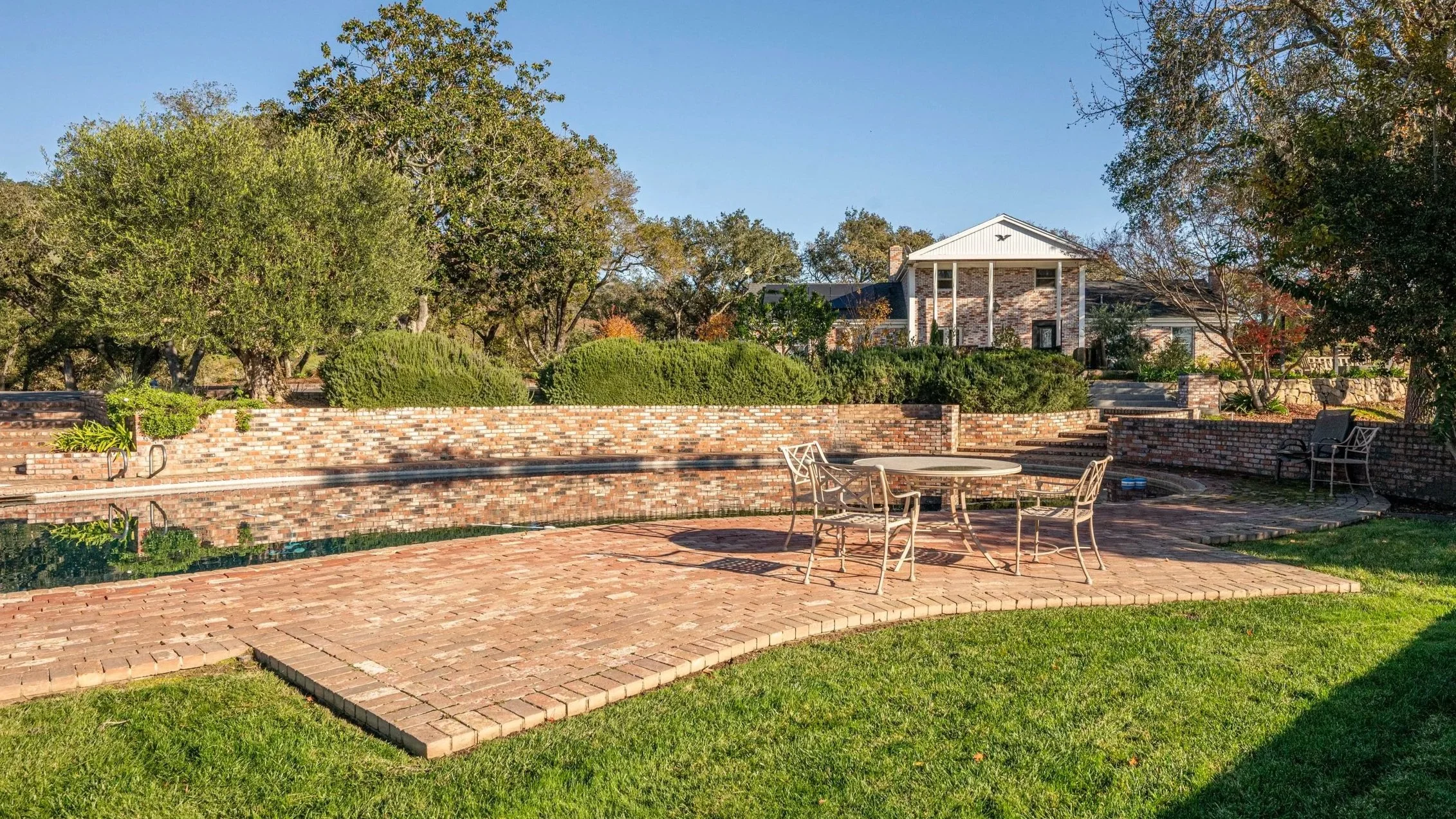
A retaining wall in wine country does not get an easy life. The terrain across Sonoma, Napa, and Marin counties is full of slopes, hillsides, and grade changes that put constant lateral pressure on any structure holding soil in place. Add seasonal rain that saturates clay-heavy soils, followed by long dry summers that cause the same soil to shrink and crack, and you have conditions that test every wall that goes in the ground.
The walls that hold up are built for this specific environment. The ones that fail are usually built generically.
The Ground Tells You What the Wall Needs
Every property in this region is different. A hillside vineyard estate in St. Helena presents different soil, drainage, and load conditions than a sloped residential lot in Petaluma or a terraced garden in Mill Valley. A retaining wall that works on one site may not be the right solution for another, which is why the design has to start with the ground, not a materials catalog.
Soil composition determines how much pressure the wall will face. Drainage patterns dictate where water collects and how fast it moves. Sun exposure and root systems from surrounding plantings affect soil stability over time. All of this informs the wall height, the base depth, the type of backfill, and whether geogrid reinforcement is needed to anchor the wall into the slope behind it.
Skipping that assessment is how walls end up leaning, cracking, or shifting within a few seasons.
What Goes Behind the Wall Matters Most
The visible face of a retaining wall gets all the attention. But the components behind and beneath the wall are what determine whether it performs. A well built wall in Northern California should include:
A compacted aggregate base set below grade to distribute weight evenly and resist settling
Drainage stone and filter fabric behind the wall face to prevent water from building hydrostatic pressure against the structure
Proper backfill material that drains freely rather than holding moisture against the back of the wall
Perforated drain pipe at the base to route water away before it accumulates
Without these elements, even the best-looking wall becomes a dam. Water collects behind it, the soil swells, and the pressure eventually pushes the wall forward or causes it to bow. In a climate that swings between heavy winter rain and bone-dry summers, this cycle accelerates faster than most homeowners expect.
Related: From Slope to Soiree: Retaining Walls and Outdoor Fireplaces in Cloverdale, CA, Landscapes
The Right Wall Does More Than Hold Soil
A retaining wall that is designed well does not just solve a grade problem. It creates usable space on a property that otherwise would not have it. A level patio carved into a hillside. A terraced garden that brings plantings to eye level and improves drainage. A seating wall that doubles as a border between the lawn and the fire pit.
In the Sonoma, CA area, where outdoor living is part of daily life, a retaining wall is often the feature that makes the rest of the landscape possible. It gives the patio a place to sit. It gives the plantings structure. It gives the property a dimension it did not have before.
Good walls start with good site work. Let us look at your property and build you one that lasts.
Related: Strength Meets Style: Retaining Walls in Tiburon, CA, and Ross, CA